
Preloader

Knee Cartilage Defects

Knee Cartilage Defects_Banner

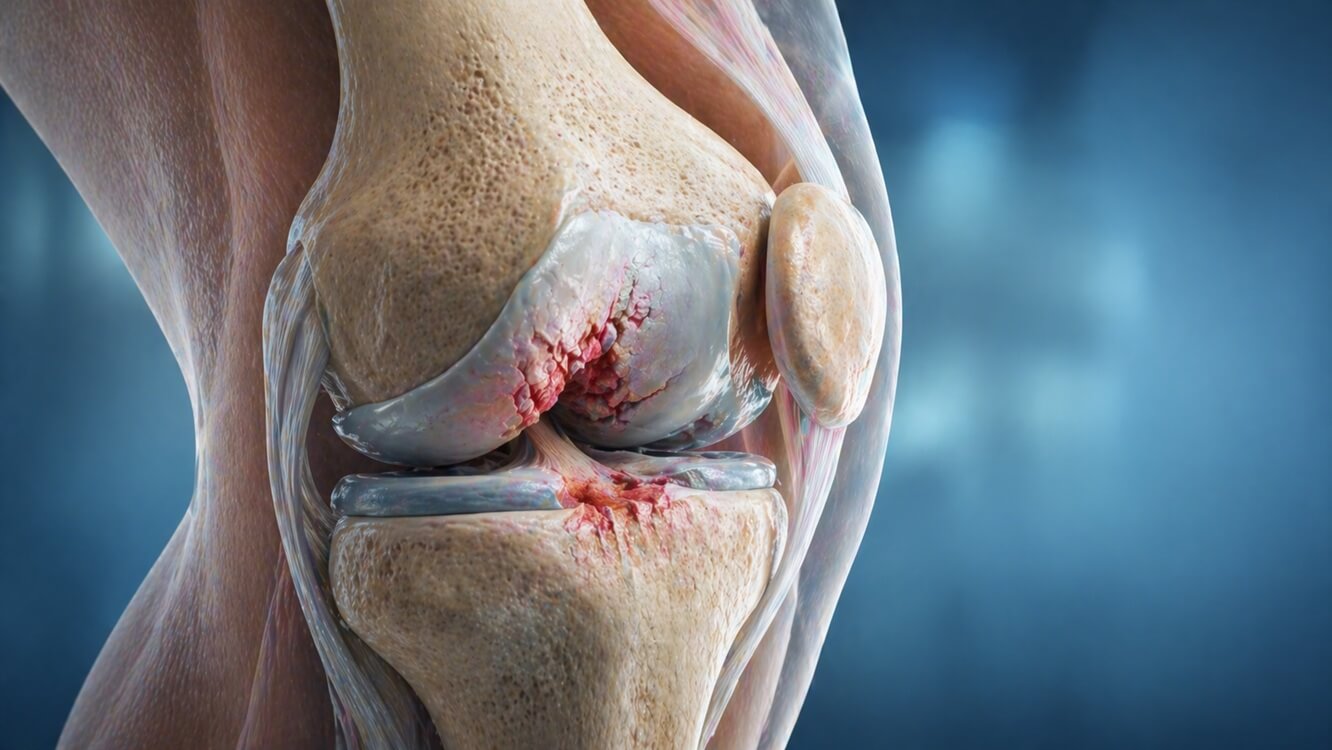
What Is Knee Cartilage?

Cartilage is the smooth, white covering at the ends of bones inside the knee joint. It allows painless, smooth movement and helps absorb shock.

Unlike bone, cartilage has very limited healing capacity, so untreated injuries may worsen over time.

How Common Are Cartilage Injuries?

  • Around 5–10% of people over 40 years have significant cartilage damage
  • Often seen in patients with:
    • Long-standing ACL tears
    • Previous knee injuries
    • Sports-related trauma
  • A special condition called osteochondritis dissecans (OCD) commonly affects the inner part of the thigh bone in young patients

Causes of Knee Cartilage Damage

Cartilage injuries may occur due to:

  • Sudden injury (fall, sports trauma, accident)
  • Repeated overuse (running, jumping, heavy activity)
  • Knee instability (ACL tear)
  • Poor alignment of the leg
  • Abnormal pressure on one part of the knee

Strong impact forces can damage cartilage, leading to:

  • Softening
  • Cracks or fissures
  • Flap tears
  • Complete cartilage loss with exposed bone

Symptoms of Knee Cartilage Damage

Some cartilage injuries cause no symptoms and are found incidentally on MRI. When symptoms are present, patients may experience:

  • Localized knee pain
  • Swelling or fluid in the knee
  • Catching or locking sensation
  • Difficulty bending or straightening the knee
  • Feeling of instability

Clinical Examination of Knee Cartilage Damage

Your doctor will assess:

  • Knee alignment
  • Ligament stability
  • Range of motion
  • Gait (walking pattern)
  • Muscle strength
  • Signs of overload or maltracking

Investigations for Knee Cartilage Damage

X-Rays

Used to:

  • Rule out arthritis
  • Check bone damage
  • Assess limb alignment

MRI Scan

  • Best test for cartilage injuries
  • Shows size, depth, and location of cartilage loss
  • Helps plan treatment

CT Scan (Selected cases)

  • Used when bone loss or alignment problems are suspected

Cartilage Injury Grading (Simplified)

Cartilage damage is classified based on severity:

  • Grade 0 – Normal cartilage
  • Grade 1 – Softened cartilage
  • Grade 2 – Partial thickness damage
  • Grade 3 – Deep cartilage cracks
  • Grade 4 – Complete cartilage loss with exposed bone

Treatment Options for Knee Cartilage Defect

Non-Surgical Treatment

Recommended for mild symptoms:

  • Activity modification
  • Physiotherapy
  • Weight reduction
  • Pain-relief medications
  • Bracmg in selected cases

Injections may reduce pain temporarily but do not heal cartilage
damage.

Surgical Treatment

Surgery is considered when:

  • Pain persists despite treatment
  • Mechanical symptoms are present
  • There is full-thickness cartilage loss
  • There is an associated fracture or instability

Treatment is individualized based on:

  • Patient age and activity level
  • Size and location of defect
  • Knee alignment and ligament status

Surgical Options for Knee Cartilage Damage - Explained Simply

Arthroscopic Debridement (Chondroplasty)

  • Removes loose cartilage fragments
  • Relieves catching and pain
  • Faster recovery
  • Best for small, unstable cartilage flaps

Microfracture Surgery

  • Small holes are made in bone to stimulate healing
  • New cartilage forms (fibrocartilage)
  • Best for small defects in younger patients
  • Requires strict rehabilitation

Cartilage Restoration Procedures

For larger defects:

  • Osteochondral grafting
  • Autologous chondrocyte implantation (ACI)

These aim to restore joint surface and delay arthritis

Rehabilitation

  • Crucial for success
  • Recovery may take several months
  • Gradual return to activity under guidance

Why Choose ArthroSportz Med for Knee Cartilage Damage Care?

At ArthroSportz Med, we offer:

Expertise in sports & cartilage injuries

Advanced arthroscopic cartilage procedures

Individualized treatment planning

Focus on joint preservation & long-term knee health

Structured rehabilitation protocols

Evidence-based, patient-centric care

Our goal is not just pain relief — but restoring function and protecting your knee for the future.

Restoring strength and mobility with trusted hands for over 10 years.

12+ Years of Care

Specialising in shoulder & knee care, arthroscopy, sports injuries, and trauma.

Joint & Sports Care

Frequently Asked Question

In most cases, you can begin physiotherapy without a doctor's referral; however, some insurance providers may require one for reimbursement or coverage purposes.

In most cases, you can begin physiotherapy without a doctor's referral; however, some insurance providers may require one for reimbursement or coverage purposes.

In most cases, you can begin physiotherapy without a doctor's referral; however, some insurance providers may require one for reimbursement or coverage purposes.

In most cases, you can begin physiotherapy without a doctor's referral; however, some insurance providers may require one for reimbursement or coverage purposes.

Source/s: Banner Image – AI Generated is for representational purpose only.