
Preloader

Collateral Ligament Injuries Surgery

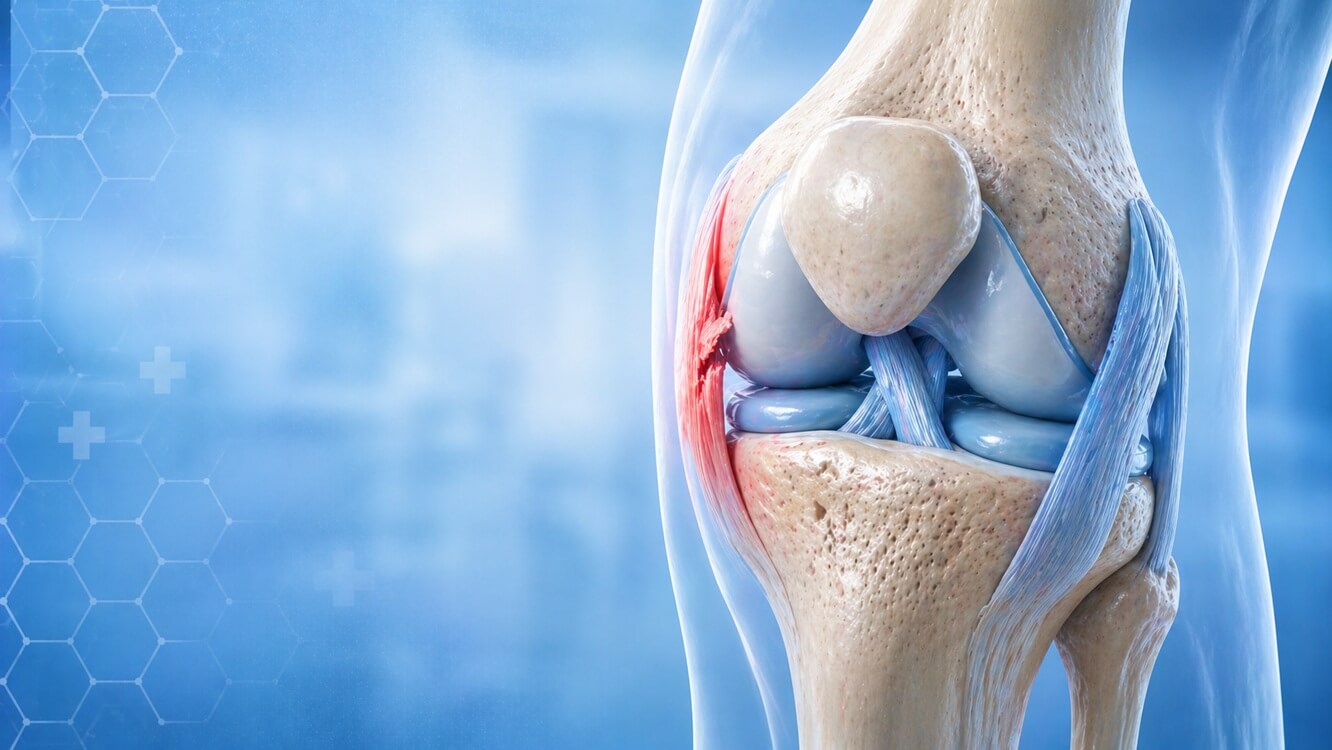
Collateral Ligament Injuries_Banner

Side ligament injuries of the knee are very common, especially in people who play sports or have a fall or accident.

The two main side ligaments are:

  • MCL – inside of the knee
  • LCL – outside of the knee

These ligaments help keep the knee stable and straight while walking, running, or turning.

What Happens in a Side Ligament Injury?

A knee ligament injury happens when the knee is pushed sideways suddenly.

  • A hit from the outside of the knee → usually injures the MCL
  • A hit from the inside of the knee → usually injures the LCL

This can occur during:

  • Football, soccer, kabaddi, basketball
  • Slipping or falling
  • Road traffic accidents
  • Sudden twisting while running

Common Symptoms of Collateral Ligament Injuries

  • Pain on the inner or outer side of the knee
  • Swelling near the painful area
  • Difficulty walking
  • Feeling that the knee may give way
  • Pain while turning or changing direction

Is It a Tear or Just a Stretch?

Ligament injuries are graded based on severity:

  • Mild (Grade 1): Ligament stretched – knee is stable
  • Moderate (Grade 2): Partial tear – pain and looseness
  • Severe (Grade 3): Complete tear – knee feels unstable

👉 Most MCL injuries heal without surgery.
👉 LCL injuries may sometimes need surgery, especially if other ligaments are also injured.

How Is It Diagnosed?

  • Doctor examines your knee movement and stability
  • X-ray – to rule out bone injury
  • MRI scan – to confirm ligament tear and check for other damage

Treatment – Simple & Effective

Non-Surgical Treatment (Most Patients)

  • Ice application to reduce pain and swelling
  • Knee brace to protect the ligament
  • Short period of rest or crutches
  • Physiotherapy to strengthen thigh muscles

Most patients recover well in 4–8 weeks.

Surgical Treatment (Only If Needed)

Surgery may be advised if:

  • Ligament is completely torn and unstable
  • More than one ligament is injured
  • Knee does not improve with physiotherapy

(2) Bone–Patellar Tendon–Bone (BPTB) Graft

  • Very strong fixation
  • Excellent for high-demand athletes
  • Slightly higher risk of anterior knee pain

Ideal for: Professional or contact sport athletes

Return to Daily Activities & Sports

  • Walking usually improves first
  • Running and sports return gradually
  • Knee brace may be used during sports initially
  • Proper rehabilitation prevents repeat injury

Why Choose ArthroSportz Med for Collateral Ligament Injuries Treatment?

At ArthroSportz Med, we focus on simple, safe, and effective knee care. 

What Patients Like About Us

Clear explanation of the problem

Avoid surgery whenever possible

Sports injury expertise

Structured physiotherapy guidance

Safe return to walking, work, and sports

Personalized care for every patient

Our aim is not just healing the ligament—but getting you back to normal life confidently and safely.
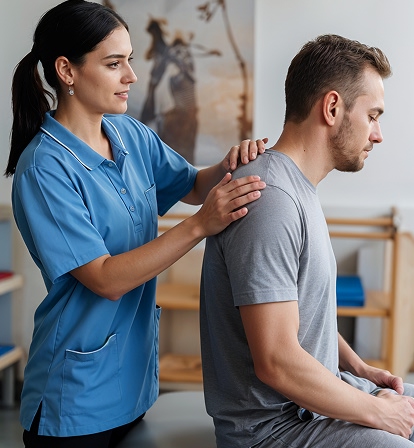
Restoring strength and mobility with trusted hands for over 10 years.

12+ Years of Care

Specialising in shoulder & knee care, arthroscopy, sports injuries, and trauma.

Joint & Sports Care

Frequently Asked Question

In most cases, you can begin physiotherapy without a doctor's referral; however, some insurance providers may require one for reimbursement or coverage purposes.

In most cases, you can begin physiotherapy without a doctor's referral; however, some insurance providers may require one for reimbursement or coverage purposes.

In most cases, you can begin physiotherapy without a doctor's referral; however, some insurance providers may require one for reimbursement or coverage purposes.

In most cases, you can begin physiotherapy without a doctor's referral; however, some insurance providers may require one for reimbursement or coverage purposes.

Source/s: Banner Image – AI Generated & is for representational purpose only.