
Preloader

ACL Injuries

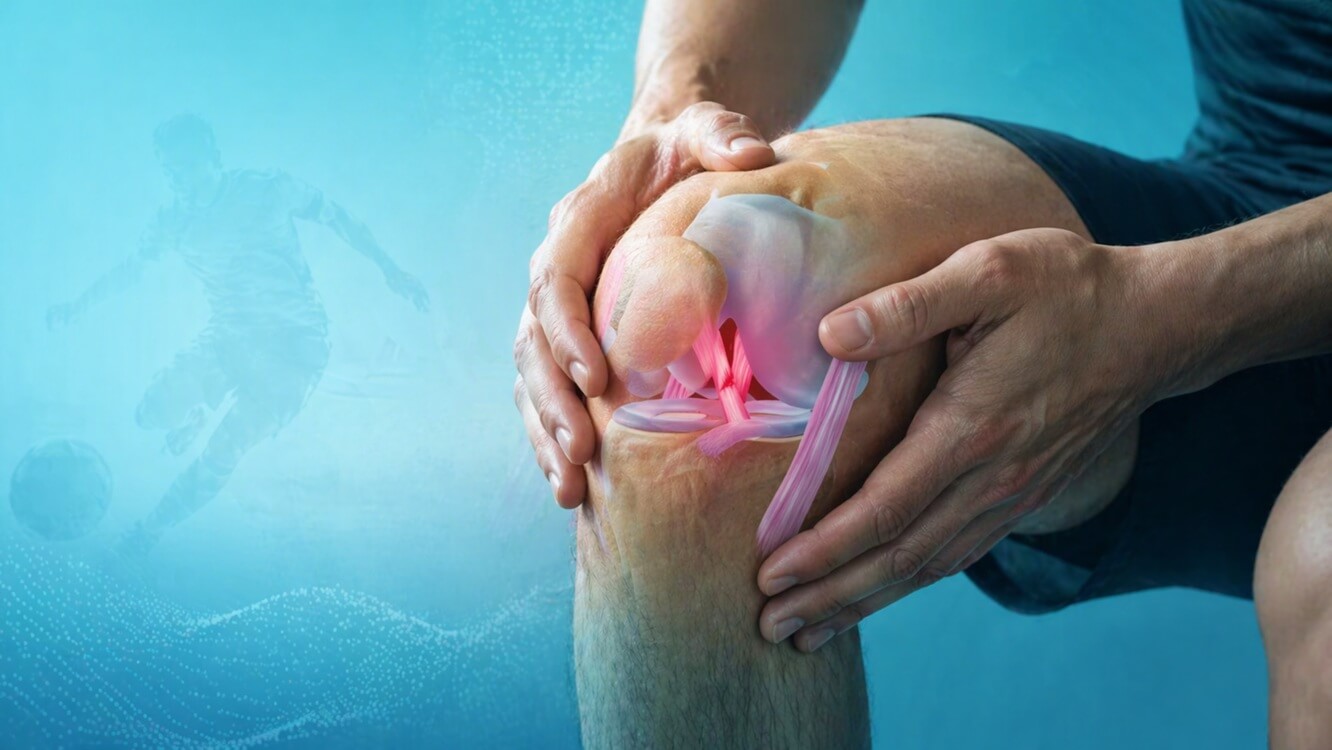
ACL Injury_Banner

One of the most common and serious knee injuries is an anterior cruciate ligament (ACL) sprain or tear. The ACL is a key ligament that provides stability and control during running, jumping, pivoting, and sudden direction changes.

ACL injuries are especially common in athletes involved in football, soccer, basketball, cricket, badminton, and other high-demand sports. Depending on the severity of the injury and your activity level, surgery may be required to regain full knee function and return safely to sports.

Knee Anatomy – Understanding the ACL

The knee joint is formed by three bones:

  • Femur (thigh bone)
  • Tibia (shin bone)
  • Patella (kneecap)

Ligaments connect these bones and stabilize the knee.

Major Knee Ligaments

Collateral Ligaments

  • Medial Collateral Ligament (MCL): Inside of the knee
  • Lateral Collateral Ligament (LCL): Outside of the knee

These ligaments control side-to-side movement and prevent excessive Inward or ounvard
motion.

Cruciate Ligaments

  • Anterior Cruciate Ligament (ACL): In the front
  • Posterior Cluciate Ligament (PCL): In the back

The cruciate ligaments cross each other inside the knee and control forward-backward and
rotational stability.motion.

Role of the ACL

  • Prevents the tibia from sliding fonvard on the femur
  • Provides rotational stability
  • Essential for cutting, pivoting, and jumping activities

The PCL is stronger and injured far less frequently than the ACL.

What Happens in an ACL Injury?

Ligament injuries are classified as sprains, graded by severity:

Grade 1 – Mild Sprain

01

  • Ligament is stretched but intact
  • Knee remains stable

Grade 2 – Partial Tear

02

  • Ligament becomes loose
  • Knee stability is reduced

Grade 3 – Complete Tear

03

  • Ligament is fully torn or pulled off the bone
  • Knee becomes unstable

Most ACL injuries are complete or near-complete tears. Partial ACL tears are uncommon.

About 50% of ACL injuries occur along with damage to:

  • Meniscus (knee cartilage)
  • Articular cartilage
  • Other ligaments

Causes of ACL Injury

ACL tears commonly occur during non-contact movements, such as:

  • Sudden change in direction
  • Rapid stopping or slowing down
  • Incorrect landing from a jump
  • Twisting while the foot is firmly planted
  • Direct contact or collision (e.g., football tackle)

Why Are ACL Injuries More Common in Female Athletes?

Studies show a higher incidence in female athletes, possibly due to:

  • Differences in muscle strength and neuromuscular control
  • Limb alignment and pelvic structure
  • Greater ligament laxity
  • Honnonal influences on ligament tissue

Symptoms of an ACL Tear

  • A popping sound or sensation at the time of injury
  • Knee giving way or instability
  • Rapid swelling (within 24 hours)
  • Pain and difficulty bearing weight
  • Loss of full knee motion
  • Tenderness along the joint line
  • Discomfort while walking

Ignoring an ACL injury and returning to sports can lead to further damage to the meniscus and
cartilage.

Doctor Evaluation & Diagnosis

Clinical Examination

01

Your doctor will:

  • Take a detailed injury history
  • Examine knee stability and movement
  • Compare the injured knee with the opposite side

Most ACL tears can be diagnosed with a thorough physical examination.

Imaging Tests

02

  • X-rays: Rule out fractures
  • MRI:
    • Confirms ACL tear
    • Identifies associated meniscus or cartilage injuries
    • Helpful for surgical planning

Treatment Options for ACL Injury

Treatment is individualized based on:

  • Age
  • Activity level
  • Sports participation
  • Degree of knee instability
  • Associated injuries

Non-Surgical Treatment

May be suitable for:

  • Less active individuals
  • Older patients
  • Patients willing to modify activity

Includes:

  • Physiotherapy
  • Strengthening and balance training
  • Activity modification
  • Knee bracing (in selected cases)

Surgical Treatment – ACL Reconstruction

Surgery is usually recommended for:

  • Young and active individuals
  • Athletes in pivoting or contact sports
  • Patients with recurrent knee instability

ACL reconstruction is typically performed using arthroscopic (keyhole) surgery, where the torn ligament is replaced with a graft.

Goals of surgery:

  • Restore knee stability
  • Prevent further joint damage
  • Allow safe return to sports

Rehabilitation & Recovery

  • Early physiotherapy after surgery
  • Progressive strengthening and balance training
  • Sport-specific rehabilitation
  • Return to sports typically in 6–9 months, depending on recovery and sport demands

Why Choose ArthroSportz Med for ACL Injury Treatment?

At ArthroSportz Med, we specialize in sports knee injuries and advanced ligament reconstruction, offering comprehensive care from diagnosis to return-to-sport.

What Sets Us Apart

Expertise in arthroscopic ACL reconstruction

Evidence-based decision making – surgery only when truly needed

Advanced graft selection tailored to patient and sport

Management of associated meniscus and cartilage injuries

Sports-specific rehabilitation protocols

Focus on safe return to play and injury prevention

Personalized care for athletes and active individuals

Our goal is not just to repair the ligament—but to restore confidence, performance, and long-term knee health.

Restoring strength and mobility with trusted hands for over 10 years.

12+ Years of Care

Specialising in shoulder & knee care, arthroscopy, sports injuries, and trauma.

Joint & Sports Care

Frequently Asked Question

In most cases, you can begin physiotherapy without a doctor's referral; however, some insurance providers may require one for reimbursement or coverage purposes.

In most cases, you can begin physiotherapy without a doctor's referral; however, some insurance providers may require one for reimbursement or coverage purposes.

In most cases, you can begin physiotherapy without a doctor's referral; however, some insurance providers may require one for reimbursement or coverage purposes.

In most cases, you can begin physiotherapy without a doctor's referral; however, some insurance providers may require one for reimbursement or coverage purposes.

Source/s: Banner Image – AI Generated & is for representational purpose only.