
Preloader

Recurrent Shoulder Dislocation

Recurrent Shoulder Dislocation_Banner

The shoulder is the most mobile joint in the human body, allowing the arm to move freely in many directions. This flexibility helps us perform daily activities with ease—but it also makes the shoulder more prone to dislocation, especially after injury.

A shoulder dislocation occurs when the ball of the upper arm bone (humerus) comes out of its socket (glenoid).

Types of Shoulder Dislocation

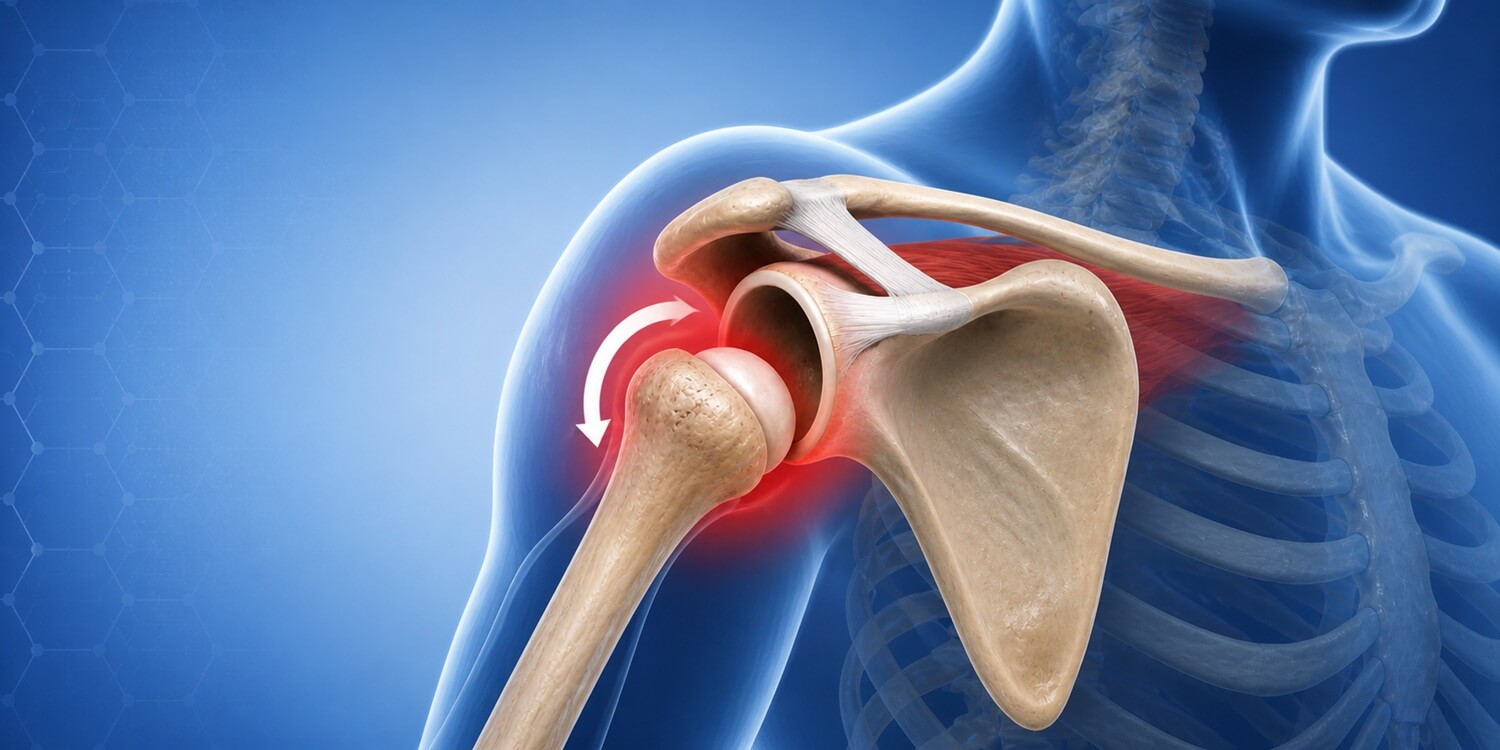
The shoulder joint is made up of:

  • Clavicle (collarbone) – connects the shoulder to the body
  • Humerus (upper arm bone) – forms the ball of the joint
  • Scapula (shoulder blade) – contains the socket (glenoid)

Supporting structures include:

  • Labrum – a cartilage rim that deepens the socket and improves stability
  • Ligaments – help hold the joint in place
  • Rotator cuff muscles – four muscles that control movement and stabilize the joint

When a shoulder dislocates, one or more of these structures may be injured.

Direction of Dislocation

  • Anterior dislocation (most common): Shoulder slips forward, usually when the arm is raised and rotated
  • Posterior dislocation: Shoulder slips backward, often after seizures or electric shock

Repeated dislocations can lead to chronic shoulder instability, where the shoulder keeps “slipping out” even during routine activities.

Symptoms of Shoulder Dislocation

  • Severe shoulder pain
  • Visible deformity
  • Swelling and bruising
  • Inability to move the arm normally
  • Numbness or weakness in the arm or hand

Partial dislocations may cause recurrent pain or a feeling of instability, even if the shoulder appears normal.

Doctor Evaluation & Diagnosis

Your doctor will:

  • Ask how the injury occurred and whether there were previous dislocations
  • Examine shoulder shape, movement, circulation, and nerve function

Imaging Tests

  • X-ray: Confirms dislocation and detects fractures
  • CT scan: Used if bone damage is suspected
  • MRI: Helps assess ligament, labrum, and rotator cuff injuries (usually done after reduction)

Treatment Options for Recurrent Shoulder Dislocation

Emergency Care

A shoulder dislocation is a medical emergency. The first step is to gently place the joint back into position (closed reduction), usually under pain relief or sedation. Pain often reduces immediately after reduction.

Non-Surgical Treatment

  • Sling immobilization
  • Ice therapy
  • Pain-relieving medications
  • Structured physiotherapy to restore movement and strength

Many first-time dislocations can heal well without surgery.

When Is Surgery Needed?

Surgery may be recommended if:

  • The shoulder dislocates repeatedly
  • There is a labral tear (Bankart lesion)
  • There is significant bone loss
  • Sports or high-demand activities are involved

Surgical options may include:

  • Labrum repair
  • Ligament tightening
  • Bone reconstruction procedures

Post-surgical rehabilitation is essential for optimal recovery.

Why Choose ArthroSportz Med for for Shoulder Dislocation Surgery in Chennai?

At ArthroSportz Med, we specialize in advanced shoulder care with a strong focus on stability, function, and long-term outcomes.

What sets us apart:

Expertise in Shoulder Arthroscopy – Minimally invasive techniques for precise repair

Individualized Treatment Plans – Surgery only when truly required

Advanced Imaging-Based Decision Making – Accurate assessment of bone and soft tissue injuries

Sports Injury Specialization – Ideal for athletes and active individuals

Comprehensive Rehabilitation Protocols – Seamless coordination with physiotherapy for faster and safer recovery

Focus on Preventing Re-Dislocation – Not just treating pain, but restoring confidence and stability

Our goal is not only to put the shoulder back in place, but to keep it there—allowing you to return safely to work, sports, and daily life.

Restoring strength and mobility with trusted hands for over 12 years.

12+ Years of Care

Specialising in shoulder & knee care, arthroscopy, sports injuries, and trauma.

Joint & Sports Care

Frequently Asked Question

In most cases, you can begin physiotherapy without a doctor's referral; however, some insurance providers may require one for reimbursement or coverage purposes.

In most cases, you can begin physiotherapy without a doctor's referral; however, some insurance providers may require one for reimbursement or coverage purposes.

In most cases, you can begin physiotherapy without a doctor's referral; however, some insurance providers may require one for reimbursement or coverage purposes.

In most cases, you can begin physiotherapy without a doctor's referral; however, some insurance providers may require one for reimbursement or coverage purposes.

Source/s: Banner Image – AI Generated & is for representational purpose only.