
Preloader

PCL Injury

PCL Injury_Banner

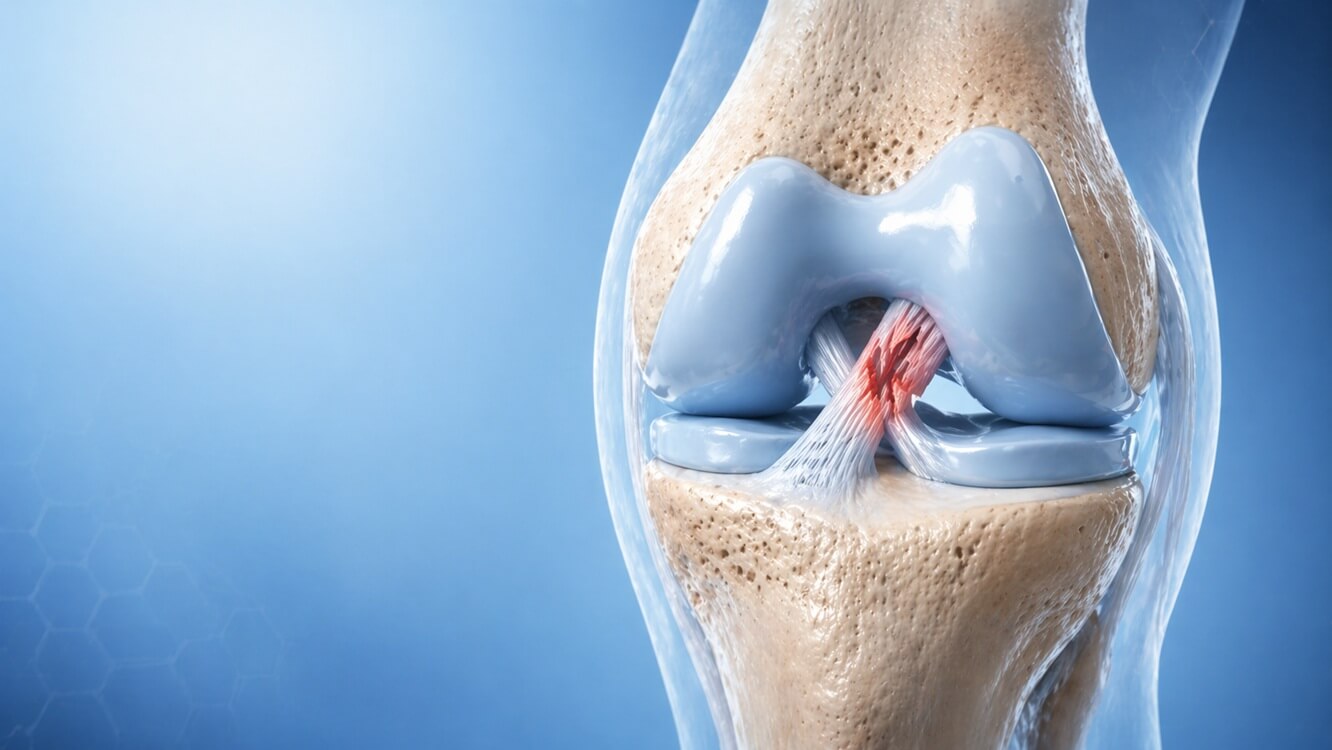
The posterior cruciate ligament (PCL) is one of the main stabilizing ligaments of the knee. It lies inside the knee joint, just behind the ACL, and prevents the shinbone (tibia) from moving backward in relation to the thighbone (femur).

PCL injuries are less common than ACL injuries and usually occur due to a strong force applied to the knee.

Common Causes of PCL Injury

  • Dashboard injury during a car accident
  • Fall directly onto a bent knee
  • Contact injuries in sports (football, rugby)
  • Severe twisting or hyperextension injuries

PCL injuries often occur along with other knee injuries, such as ACL, MCL, cartilage, or bone injuries.

Symptoms of PCL Injury

  • Knee pain with rapid swelling
  • Stiffness and difficulty walking
  • Feeling of knee instability or “giving way”
  • Limping
  • Discomfort especially while going downstairs or downhill

Some partial PCL tears may cause mild symptoms and are often missed initially.

Diagnosis of PCL Injury

Clinical Examination

Your doctor will:

  • Compare the injured knee with the normal knee
  • Check for backward sagging of the tibia
  • Assess knee stability and movement

Imaging

  • X-rays: To rule out fractures or avulsion injuries
  • MRI: Best test to confirm PCL tear and identify associated ligament or cartilage injuries

Treatment Options for PCL Injury

Non-Surgical Treatment

Many isolated PCL injuries heal well without surgery, especially partial tears.

Treatment may include:

  • RICE protocol (Rest, Ice, Compression, Elevation)
  • Knee brace to prevent backward sagging
  • Temporary use of crutches
  • Physiotherapy, with focus on quadriceps strengthening

Surgical Treatment

Surgery may be recommended if:

  • There are multiple ligament injuries
  • Knee remains unstable despite rehabilitation
  • Pain and functional limitation persist

PCL Reconstruction

  • The torn ligament is reconstructed using a graft
  • Usually performed using arthroscopic (keyhole) surgery
  • Minimally invasive with faster recovery and less pain

Rehabilitation & Recovery

  • Physiotherapy is essential, whether surgery is done or not
  • Focus on restoring knee strength, stability, and motion
  • Return to desk work: few weeks
  • Return to sports or heavy activity: 6–12 months
  • Commitment to rehabilitation is the key to success
    Why

Why Choose ArthroSportz Med for PCL Injury Treatment?

At ArthroSportz Med, we specialize in sports-related knee ligament injuries and advanced arthroscopic reconstruction.

Our Strengths:

Expertise in ACL & PCL ligament injuries

Accurate diagnosis of combined knee ligament injuries

Advanced arthroscopic reconstruction techniques

Individualized decision-making – surgery only when needed

Sports-specific rehabilitation protocols

Focus on long-term knee stability and safe return to activity

Our goal is not just healing the ligament—but restoring confidence, strength, and knee performance.
Restoring strength and mobility with trusted hands for over 10 years.

12+ Years of Care

Specialising in shoulder & knee care, arthroscopy, sports injuries, and trauma.

Joint & Sports Care

Frequently Asked Question

In most cases, you can begin physiotherapy without a doctor's referral; however, some insurance providers may require one for reimbursement or coverage purposes.

In most cases, you can begin physiotherapy without a doctor's referral; however, some insurance providers may require one for reimbursement or coverage purposes.

In most cases, you can begin physiotherapy without a doctor's referral; however, some insurance providers may require one for reimbursement or coverage purposes.

In most cases, you can begin physiotherapy without a doctor's referral; however, some insurance providers may require one for reimbursement or coverage purposes.

Source/s: Banner Image – AI Generated & is for representational purpose only.