
Preloader

Calcific Tendinitis

Calcific Tendinitis_Banner

Shoulder pain is common in adults and can arise from many different structures. One lesser-known but important cause is calcific tendinitis of the shoulder (also called calcific tendinopathy).

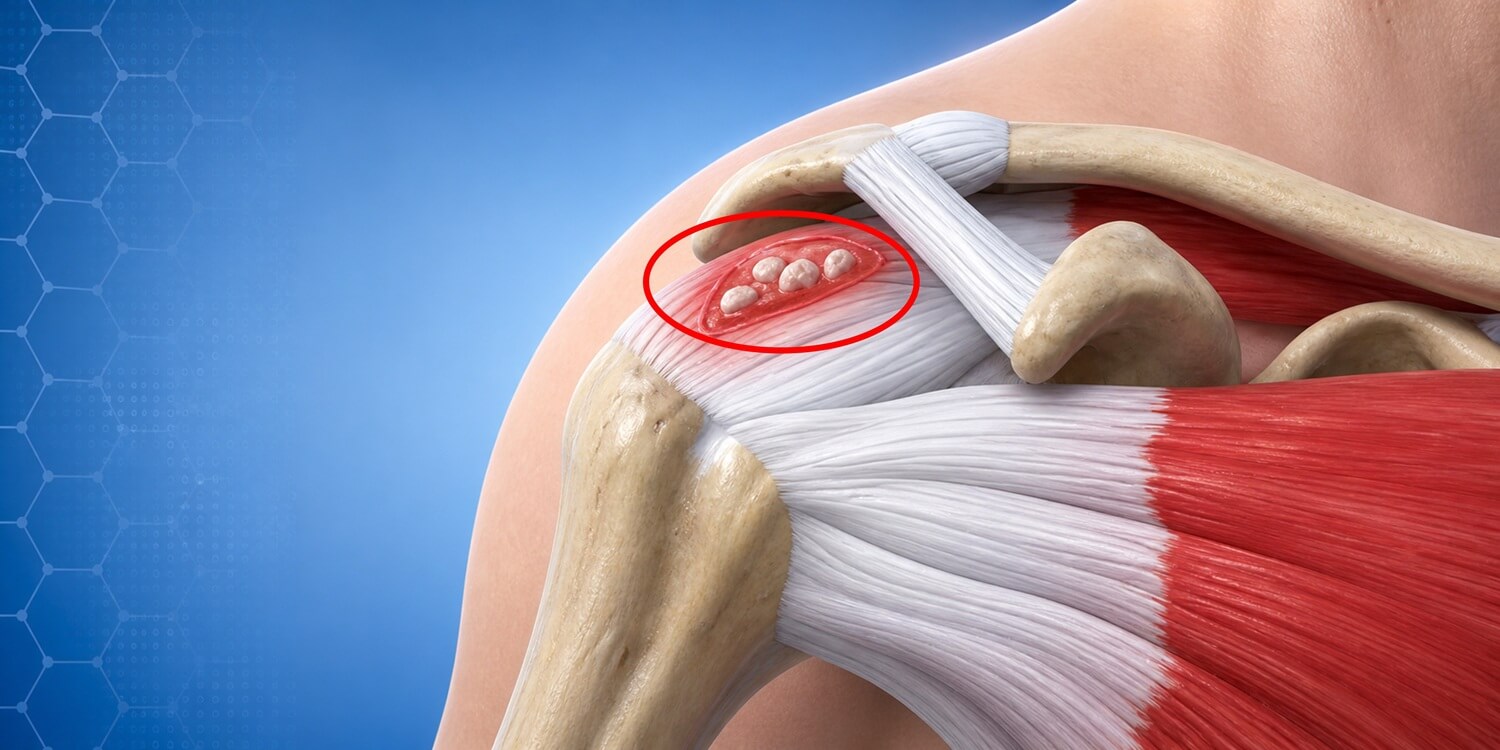
Calcific tendinitis occurs when calcium deposits build up within the rotator cuff tendons. These deposits trigger inflammation and may rub against the acromion (the bony roof of the shoulder), leading to significant pain and restriction of movement.

Shoulder Anatomy – Understanding the Problem

The shoulder is a complex joint made up of:

  • Humerus (upper arm bone)
  • Scapula (shoulder blade)
  • Clavicle (collarbone)

The rotator cuff consists of tendons that attach to the top of the humerus and help stabilize and move the shoulder.

In calcific tendinitis, calcium crystals form inside these tendons, most commonly in the supraspinatus tendon, causing irritation, inflammation, and pain.

Causes & Risk Factors of Calcific Tendinitis

The exact cause of calcific tendinitis is not fully understood, but known risk factors include:

  • Age between 30 and 60 years
  • Slightly more common in women
  • May affect one or both shoulders
  • Possible association with tendon overuse or degeneration

Calcific tendinitis can occur without any injury and may develop suddenly.

Symptoms of Calcific Tendinitis

  • Pain and tenderness over the front or side of the shoulder
  • Pain that may be severe and sudden, even at rest
  • Pain not always related to movement or trauma
  • Shoulder stiffness or loss of motion
  • Difficulty lifting the arm

Some patients experience intense pain during the “resorptive phase,” when the body tries to break down the calcium.

Doctor Evaluation & Diagnosis

(1) Medical History & Physical Examination

Your doctor will:

  • Identify areas of tenderness
  • Assess shoulder movement and stiffness
  • Test muscle strength
  • Check for associated shoulder problems

If pain is severe, the doctor may gently move your arm to assess passive motion.

(2) Imaging Tests

  • X-rays: Clearly show calcium deposits around the rotator cuff
  • MRI: Evaluates tendon inflammation, fluid, rotator cuff tears, and confirms calcium within the tendon
  • Ultrasound: Often used to precisely locate calcium and guide treatment procedures

Treatment Options for Calcific Tendinitis

The goal of treatment is to relieve pain and restore shoulder function. Treatment is individualized
based on age, activity level, and severity of symptoms.

(1) Non-Surgical Treatment

Most patients improve with non-surgical treatment, though recovery may take weeks to months.

  • Rest & activity modification
  • Pain medications (NSAIDs) to reduce pain and inflammation
  • Physical therapy
    • Stretching to improve shoulder motion
    • Gradual strengthening once pain reduces
  • Corticosteroid injections
    • Reduce inflammation and pain
    • Often injected into the subacromial space
    • May be ultrasound-guided
  • Shock wave therapy
    • Uses focused energy waves to help break down calcium deposits and reduce pain
  • Ultrasound-guided saline lavage (barbotage)
    • Saline is injected into the calcium deposit to break it up
    • Calcium is then aspirated (washed out)
    • May be combined with steroid injection

(2) Surgical Treatment - Arthroscopic Surgery

Surgery is considered when pain persists despite adequate non-surgical treatment.

  • Performed using keyhole (minimally invasive) techniques
  • Calcium deposits are removed using specialized instruments
  • Associated problems such as rotator cuff tears are treated at the same time
  • Causes less pain and allows faster recovery compared to open surgery

Recovery & Rehabilitation

  • Short period of sling support (if needed)
  • Early shoulder exercises once pain allows
  • Structured physiotherapy to restore motion and strength
  • Most patients experience significant pain relief within 2–4 months
  • Full recovery may take up to 1 year, depending on deposit size and associated tendon
    damage

Why Choose ArthroSportz Med for for Calcific Tendinitis Treatment in Chennai?

At ArthroSportz Med, we provide advanced, evidence-based shoulder care with a strong focus on pain relief, tendon preservation, and long-term function.

Our strengths:

Expertise in shoulder arthroscopy and rotator cuff disorders

Accurate diagnosis using advanced imaging

Image-guided injections and ultrasound-guided lavage

Emphasis on non-surgical treatment whenever possible

Minimally invasive arthroscopic removal for resistant cases

Personalized rehabilitation protocols for faster recovery

Integrated care to prevent recurrence and stiffness

Our aim is not just to remove calcium—but to restore smooth, pain-free shoulder movement and prevent future problems.
Restoring strength and mobility with trusted hands for over 12 years.

12+ Years of Care

Specialising in shoulder & knee care, arthroscopy, sports injuries, and trauma.

Joint & Sports Care

Frequently Asked Question

In most cases, you can begin physiotherapy without a doctor's referral; however, some insurance providers may require one for reimbursement or coverage purposes.

In most cases, you can begin physiotherapy without a doctor's referral; however, some insurance providers may require one for reimbursement or coverage purposes.

In most cases, you can begin physiotherapy without a doctor's referral; however, some insurance providers may require one for reimbursement or coverage purposes.

In most cases, you can begin physiotherapy without a doctor's referral; however, some insurance providers may require one for reimbursement or coverage purposes.

Source/s: Banner Image – AI Generated & is for representational purpose only.